





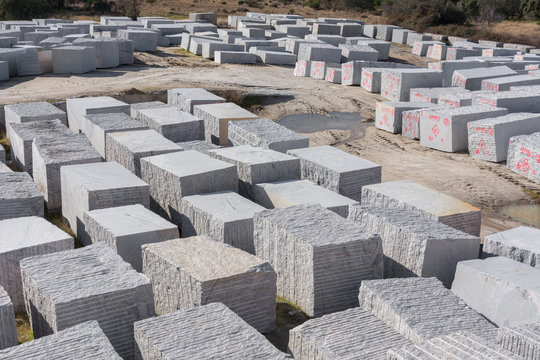
Nothing triggers a site meeting faster than opening a container and finding that the second shipment of G682 golden granite looks noticeably paler or darker than the first. On a multi-building residential compound or a mixed-use development, a visible color jump between two elevations undermines the entire design intent — and fixing it means replacing already-installed panels at six times the material cost. The difference between a seamless facade and a patchwork job starts at the quarry, not the factory. Here is how serious suppliers manage color consistency in G682 from block selection through final packing.
Why G682 Color Naturally Varies
G682 (also called Sunset Gold or Yellow Rust granite) is quarried in Suizhou, Hubei Province. Within a single quarry, the granite bed changes subtly with depth: upper-level blocks tend to be paler and more beige; deeper blocks carry a richer golden tone. The feldspar content shifts by a few percentage points, and the amount of biotite (dark mica) varies too. This is natural stone — not engineered tile — so zero variation is physically impossible. What is controllable is the range of variation within a single project shipment.
The Problem with Trading-Company Supply Chains
Many exporters source G682 from multiple small quarries and gang-sawing factories to fill large orders at the lowest price. The result? Container one comes from Quarry A (pale beige), container three from Quarry B (rich gold), and container five from a third supplier (greyish cast). The contractor sees the first two containers on site and approves the color — then the third container arrives and doesn’t match. By then, the supplier has already blended sources and cannot reproduce the approved shade.
This is the most common complaint we hear from Middle East contractors who bought G682 through trading companies rather than direct quarry operators. The trading company never controlled the block source in the first place.
How Quarry-Direct Batch Selection Works
When a developer specifies G682 for a multi-building project, the process should start before a single slab is cut:
- Block mapping: The quarry operator marks each extracted block with a lot number, depth level, and a physical color chip sample. Blocks are grouped into color ranges (A/B/C) based on visual comparison.
- Sample approval: The architect and contractor approve a physical sample board cut from the specific blocks reserved for the project. This becomes the color reference for all future shipments.
- Reserved block lot: Blocks matching the approved sample are set aside in a dedicated stack — not mixed with general production stock. For a 20-container order, this may mean reserving 40–60 blocks, depending on yield.
- Slab sorting: After gangsaw cutting, slabs are laid out on the factory yard and visually graded. Slabs that fall outside the approved color range are diverted to other orders, not loaded into your container.
- Pre-shipment photo review: Before the container is sealed, the contractor receives photos of every crate with panel numbers, plus a summary layout showing which slabs went into which crate. This is the last checkpoint before the cargo ships.
What “Color Match” Actually Means in Practice
On a ventilated dry-hung facade, panels are viewed from 5–20 meters away. At that distance, minor grain variations are invisible — what reads is the overall tone. A reputable supplier can hold color within a narrow range that is imperceptible at normal viewing distance, even across 5–10 containers. What you cannot guarantee is identical color across every single panel — and any supplier who promises “zero variation” is misrepresenting how natural stone works.
The practical standard is: no visible tonal jump between adjacent elevations when viewed from ground level, and no single panel that stands out from its neighbors. This is achievable with proper block reservation and slab sorting.
What to Write Into Your Supply Contract
To hold your supplier accountable, specify these points in the purchase order:
- All panels shall come from the same quarry and a single approved block range (lot number).
- Color reference samples approved in writing before production begins.
- Panels outside the approved color range shall be rejected and replaced at the supplier’s cost.
- Pre-shipment photographs of every packed crate, with panel layout diagrams.
- Spare panels (typically 5–10% over order) cut from the same block range for future replacements, stored by the supplier for up to 5 years.
Our Approach at Xuhui Stone
Because we own our G682 quarry and control the entire process — from drilling and blasting through gangsaw cutting, flaming, packing, and container loading — we can reserve block lots for specific projects and maintain color consistency across multiple shipments. Every container we ship to Gulf and Southeast Asian developers includes pre-shipment photos, panel layout drawings, and a set of spare slabs cut from the same block range. If you are specifying G682 for a multi-building project and have been burned by color mismatch on previous orders, send us your approved sample and your total panel area — we will reserve the block lot and confirm availability before you commit.
Добавить комментарий